


“Up-to-date teaching of advances in science and technology is essential to build a critical citizenry capable of understanding and facing global challenges such as climate change, pollution and biodiversity loss. Only a scientifically informed citizen will be able to demand evidence-based public policies and actively participate in the search for innovative and sustainable solutions”.
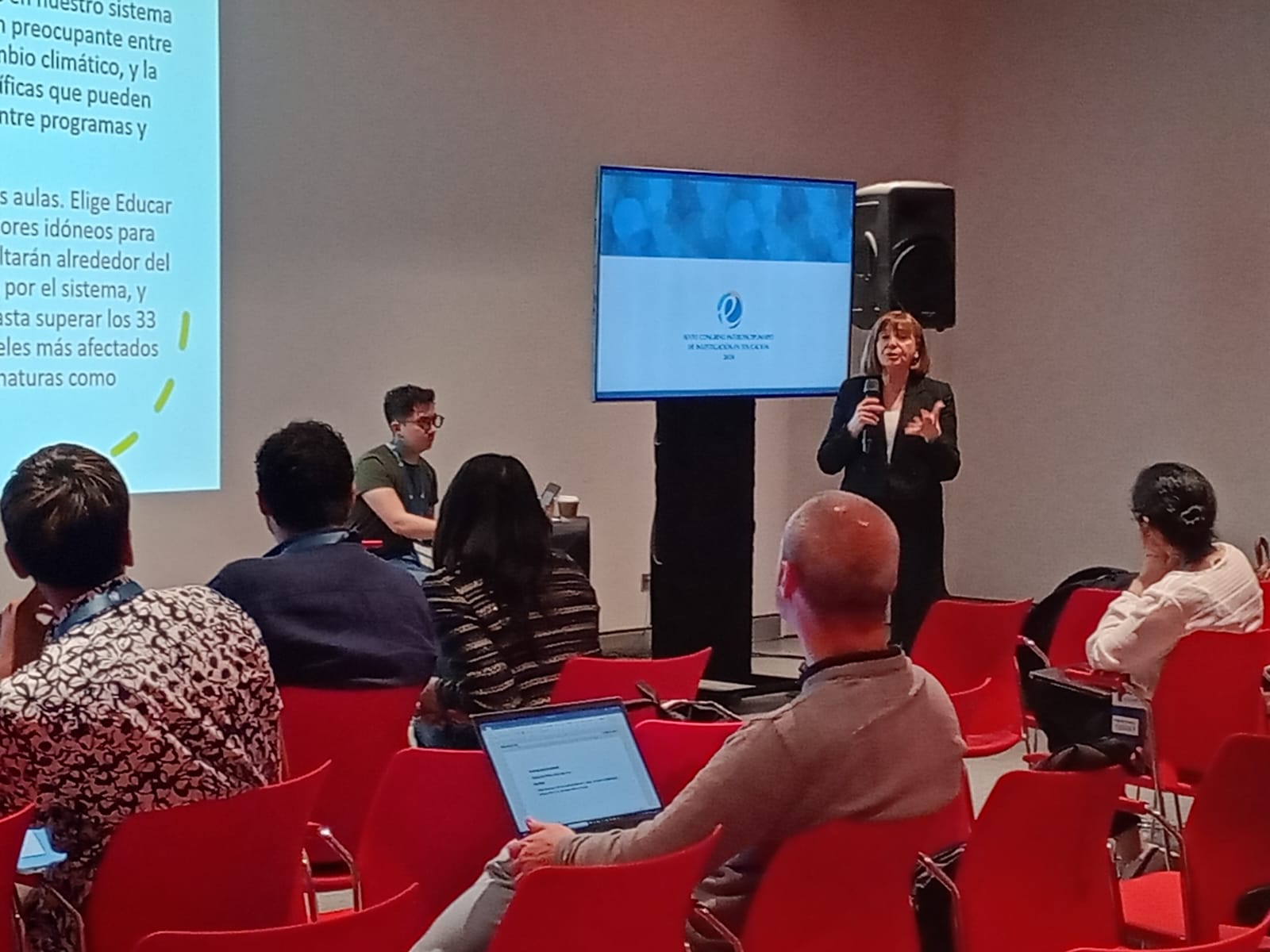
This was stressed by Dr. Dora Altbir, National Prize for Sciences winner and Director of the CEDENNA Foundation, when taking part in the Panel “Educational Research and Sustainability in Response to the Socio-Climatic Crisis: Perspectives from Science to Education” of the sixth CIIE 2024 Congress, which brought together more than 900 researchers, academics, teachers and students in Santiago this week.
“We are not only facing an unprecedented environmental crisis; its effects have profound implications for our societies, especially for those who already live in vulnerable conditions. Those who, paradoxically, have contributed least to the deterioration of the planet are the ones who suffer the consequences most,” she said.
Despite this, she said, Chile faces a crisis in training teachers specialized in science, who are the first called upon to build this civic awareness. “This, added to the lack of training in cutting-edge areas such as nanoscience, exacerbates a critical problem: students are not accessing up-to-date scientific knowledge”.
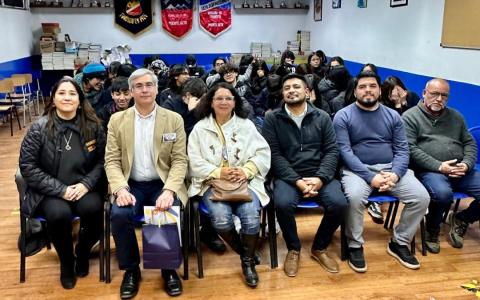
Dr. Altbir described the experience of CEDENNA (Center for Nanoscience and Nanotechnology) in initiatives such as the ProNano workshop, a refresher program for teachers that brings frontier science into classrooms, allowing students from different regions to learn about the scientific developments that are transforming the world. “These efforts, although valuable, are not enough if they are not accompanied by a public policy that encourages up-to-date teacher training. It is essential that nanotechnology and other emerging scientific areas be integrated into training so that more and more young people can become interested in these disciplines and become agents of change in their communities”.
“Climate and social justice are not possible without quality education,” she concluded.
The event was opened by Rector Ignacio Sánchez and was held at the Oriente Extension Center of the Universidad Católica.