


Packaging and Food Safety
Group Description
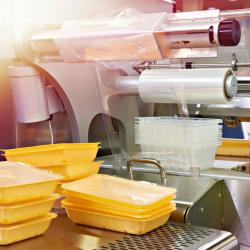
La línea de investigación en Envases e Inocuidad Alimentaria desarrolla nuevos materiales de envase con propiedades físico-mecánicas y de barrera mejoradas para de este modo garantizar la calidad de los productos envasados y específicamente en el caso de envasado de alimentos alargar vida útil manteniendo la calidad de los alimentos.
Para conseguir este objetivo se desarrollan envases con propiedades antimicrobianas, antioxidantes, con capacidad de absorción de etileno, utilizando para ello la nanotecnología como herramienta para la incorporación de funcionalidad a los materiales de envases desarrollados. La línea de investigación de envases, con vocación eminentemente práctica analiza también el comportamiento de los alimentos envasados en las nuevas estructuras desarrolladas. En este ámbito se han desarrollado materiales plásticos con capacidad antifúngica (con incorporación de agentes naturales o sintéticos) para envasado de salmón, de productos de panificación y de productos cárnicos, así como de berries. Estas tecnologías se encuentran a disposición de la industria nacional para su incorporación en los procesos productivos.
Another of the main lines of work in the packaging area is focused on improving the mechanical and barrier properties of biodegradable/compostable plastic materials, without losing their biodegradability properties, by incorporating nanostructures that do not affect the biodegradability, disintegration, and ecotoxicity of the materials. In this field, it should be noted that three laboratories have been set up (a biodegradability laboratory, a compostability laboratory, and an ecotoxicity laboratory) which, in accordance with international standards, make it possible to determine these properties in the different packaging materials.
The new requirements of the extended producer responsibility law, which requires each industry to recover the value of the packaging waste it places on the market, has led the packaging area to open a new line of work involving post-consumer recycled plastic materials. For these materials, the maximum percentages of post-consumer recycled plastic that can be incorporated into the development of new packaging are being determined, as well as the incorporation of nanostructures to ensure the mechanical properties required to fit production processes. At the same time, in order to ensure the chemical safety of the new packaging, functional barriers are being developed to limit the migration of components from the packaging to the packaged food. The laboratory has made available to the industry the “challenger test” trials, which make it possible to guarantee chemical safety and ensure the use of post-consumer recycled plastic material for direct contact with food.