


Chile is recognized worldwide for its role in fruit growing, leading the production and export of more than 50 fruit species. Nationally, it is the second largest export sector after copper, contributing 39.2% of sectoral GDP and 34% of forestry and agricultural exports.
And with a growing world population, demand for vegetables and fruits is projected to increase by more than 50%, making it necessary to increase national productivity to maintain our country’s competitiveness. To meet these expectations, we need more intensive production systems, but excess fertilizers and aggressive pruning increase crops’ susceptibility to diseases (fungi) and consequently reduce their yield. That is why it is necessary to develop sustainable agriculture that makes it possible to control pests without harming products, the environment or human health.
Currently, biopesticides and biofungicides formulated with natural, biodegradable and less harmful products are used as treatments. However, exposure of these compounds to temperature, humidity or ultraviolet light degrades them and requires them to be applied more frequently, affecting effectiveness and toxicity and increasing costs, which leads to resistance to their use among producers. Add to that their hydrophobic nature, and their use also means larger volumes of organic solvents for spraying, reducing their eco-friendly characteristics.
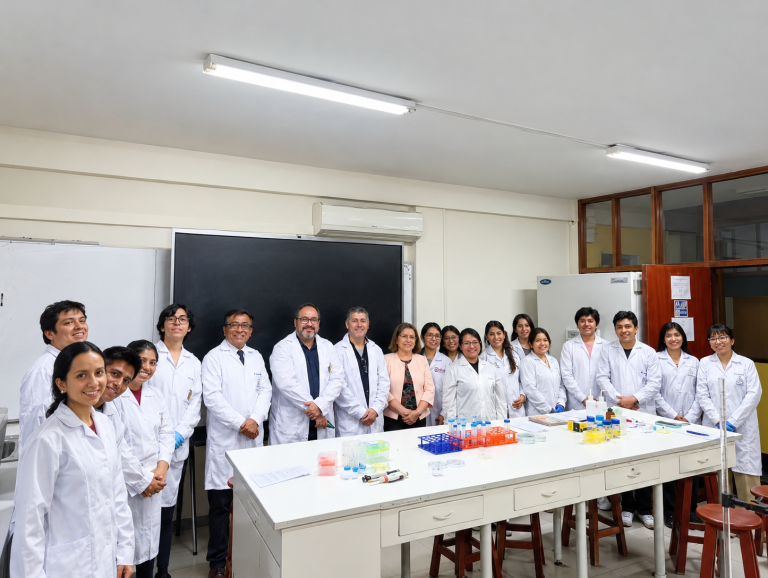
A potential answer to this dilemma is being developed by CEDENNA-Usach researchers, who propose incorporating biofungicides into nanoparticles that are also of plant origin, which protects the fungicides, increases their effectiveness and reduces their toxicity, helping to treat fungal diseases in fruit trees and grapevines.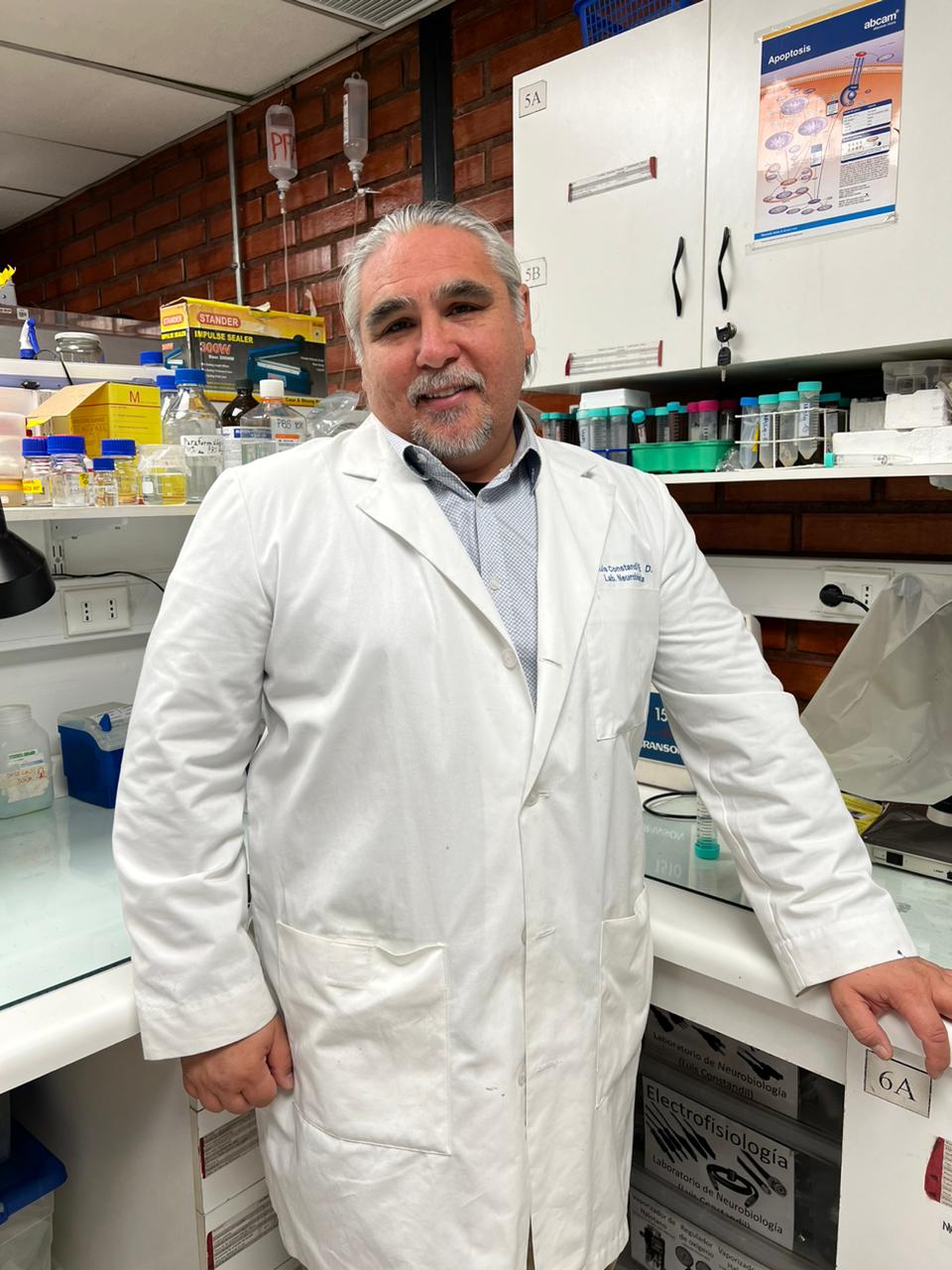 To achieve these objectives, researchers from the team led by Dr. Luis Constandil, CEDENNA researcher, and PhD candidate Natalia Juica, from the PhD in Biotechnology at the USACH Faculty of Chemistry and Biology, applied for and won the 2024 IdeA I+D Competition granted by the National Research and Development Agency (ANID), together with the company ANASAC. These funds will make it possible to develop nanoparticles from natural polymers loaded with botanical antifungal agents to prevent damage caused by wood fungi in fruit trees and vineyards.
The application of these biodegradable nanoparticles would provide significant benefits for producers, such as protecting the active compound from environmental factors, increasing its availability. It would also allow sustained release over time, reducing how often it needs to be applied. Naturally, the main beneficiaries will be farmers, exporters and consumers, but greater safety is also provided to agricultural workers.
In addition, it will foster university-industry collaboration and contribute to human capital training by including thesis students and young researchers in the development of these “nanobiofungicides”.