

Nanosafety
Group Description
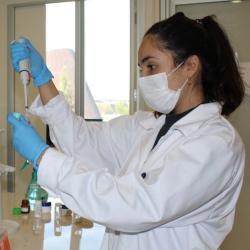
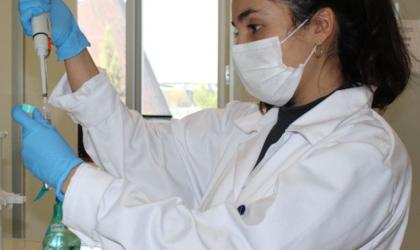
Nanosafety is an area that connects transversally with all of CEDENNA’s activities.
The Nanosafety research group is part of Cedenna’s Nanosafety Unit. It focuses on directing studies that help understand and analyze the effects of nanoscale materials on people and the environment.
This group’s mission is to manage institutional Nanosafety, advise and collaborate with governmental and international organizations, and support the national productive sector.
Its objectives include:
- Ensuring Nanosafety conditions for all CEDENNA members.
- Establishing the safety of nanoparticles synthesized by CEDENNA researchers from both an environmental and health standpoint.
- Providing certified Nanosafety information to the national productive sector.
- Advising governmental agencies related to occupational health, the environment, and consumer health safety on this matter.
The group carries out interdisciplinary work with the Center’s other research groups and responds to Cedenna’s vision of responsibly leading the field of Nanoscience and Nanotechnology, in order to advance the country’s development and foster confidence in the technology developed in Chile.
The development of nanoscience-based technologies makes it necessary for regulations to standardize aspects that benefit the safe export of materials and products. Since 2019, the Ministry of Foreign Affairs has nominated members of Cedenna’s Nanosafety Unit as delegates to represent Chile at meetings of the Working Party on Manufactured Nanomaterials (WPMN). At these meetings, OECD member countries send representatives from various fields (scientists, inventors, economists, policy makers, etc.) to discuss the best way to regulate everything related to manufactured (or man-made) nanomaterials. At WPMN meetings, there are ongoing discussions on manufactured nanomaterials to establish the methods the OECD will recommend for the analysis and characterization of nanomaterials, as well as to establish appropriate occupational exposure limits, environmental quality standards, labeling of consumer products containing nanomaterials, and other related topics.
What is decided within the framework of these meetings is relevant for Chile since, as a member country, any type of regulation arising from these working groups will immediately become available for adoption under current legislation.