
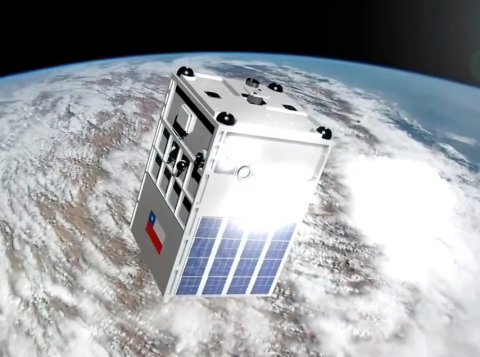
An innovative national initiative seeks to position Chile as a key player in the development of technology for the space industry. This project, recently awarded through the Fondef competition, is led by Adolfo Ibáñez University (UAI) and directed by Dr. Alejandro Pereira. It brings together the University of Santiago (USACH), the Center for the Development of Nanoscience and Nanotechnology (CEDENNA), the Chilean Air Force (FACH), and the Spanish company Nanostine. Their shared objective is to design advanced coatings for nanosatellites that improve their performance and resilience in the space environment.
The project's deputy director is Dr. Juan Escrig, Dean of the Faculty of Science at the University of Santiago and a researcher at CEDENNA. He explains that this award represents "a clear sign of the potential of Chilean science when it is aligned with the country's strategic challenges." For CEDENNA, the project is especially relevant, as it reinforces its leadership in the design of nanostructured materials with functional properties, developed to meet specific needs in highly technological sectors.
Smart coatings for extreme environments
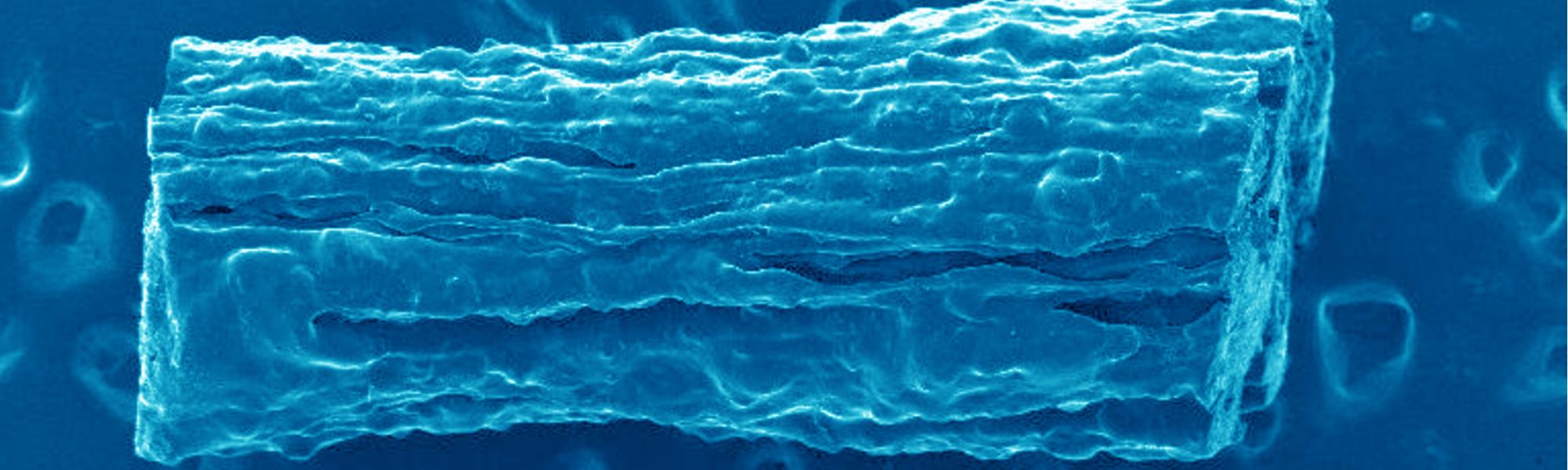
The heart of the project is the development of ultrathin and lightweight coatings, based on magnetic nanofibers, capable of acting as selective barriers against electromagnetic interference that affects satellite operations. These coatings are manufactured using advanced techniques such as electrospinning and atomic layer deposition (ALD), which allows for control of their structure and magnetic behavior at the nanoscale.
"In simple terms, it's a kind of 'protective skin' that covers the nanosatellites, selectively filtering electromagnetic signals according to their wavelength. This improves the stability and accuracy of communications in space," explains Dr. Escrig.
One of the most outstanding advantages of this technology is its ability to offer highly efficient protection without adding significant weight or volume to the satellite, a critical aspect in the space industry. "Reducing the weight of a satellite can translate into savings of up to one million dollars per unit during its launch," the researcher details.
In addition to its direct application in the aerospace industry, this technology has a high potential for transfer to other sectors such as terrestrial telecommunications, defense, medicine or precision electronics, where electromagnetic interference also represents a challenge.
The role of CEDENNA: cutting-edge science at the service of technological development
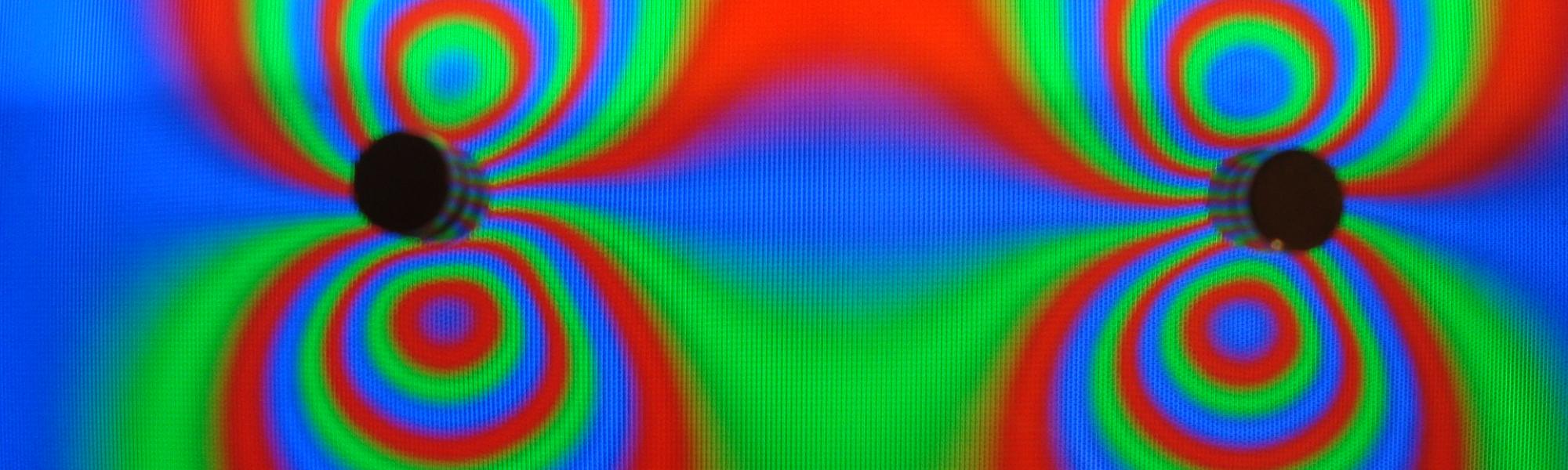
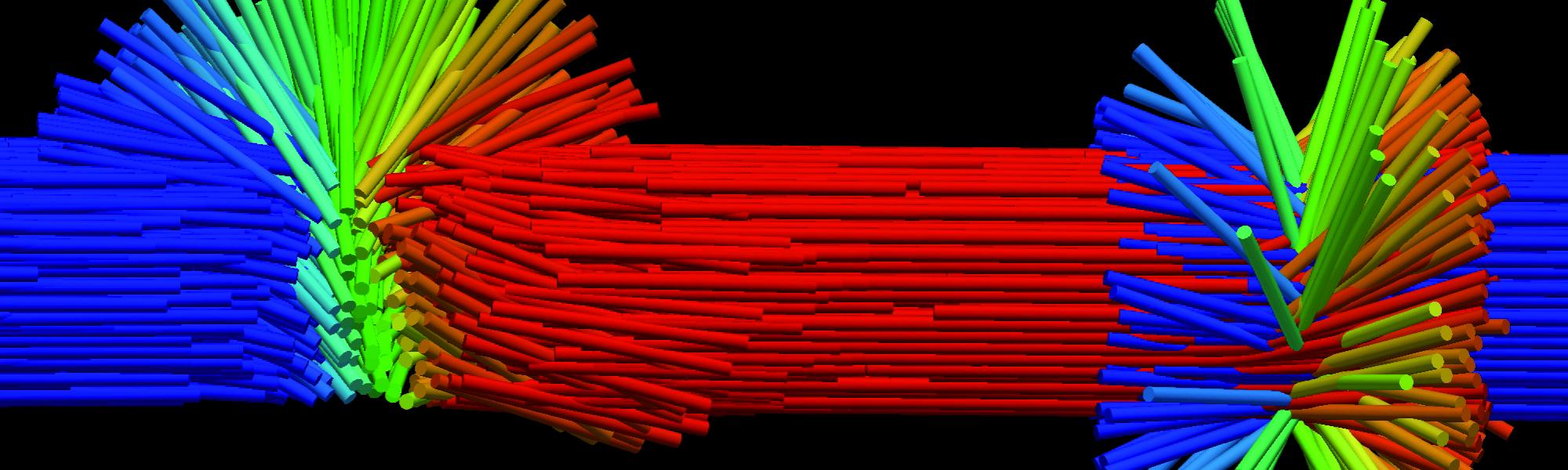
The Nanomagnetism Laboratory at CEDENNA, led by Dr. Escrig, plays a central role in this interdisciplinary research. There, micromagnetic simulations are developed, coatings are applied using ALD, and the magnetic properties of nanofibers are characterized, utilizing state-of-the-art equipment such as the ALD system and the Kerr effect magneto-optical magnetometer (NanoMOKE3).
The initiative is also complemented by other lines of research at the laboratory, such as the Fondecyt Regular Project No. 1240829, which focuses on the use of magnetic nanotubes in biomedical and environmental applications. Both lines share the same principle: to study and control the magnetic properties of materials at the nanoscale to address global challenges through science.
“Our goal is to translate the principles of nanomagnetism into concrete technological solutions, strengthening collaboration between basic science, industry, and defense,” concludes Dr. Escrig.
This project reaffirms CEDENNA’s capacity to lead high-impact research and contribute to positioning Chile as an emerging leader in nanotechnology with aerospace applications.
- Log in to post comments